Monday, March 8, 2010

Photo Request

Hi
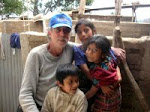
In the last section of the book I'm working on, I'd like to include a photo gallery. I am looking for interesting/unique/informative/unusual/quirky photos of ovens and or any bread related activities. The photo shown in this post is one that I'd like to use, but I can't find the person who took the picture to ask for permission to include it in Bread Earth and Fire, and I need permission to use photos.
If you have some photos you've taken to share, then I might want to include them, and you'll be given full credit.
 Portable Oven

Please send photos to:
Stu Silverstein
ssilverstein@gmail.com

Many thanks
Stu aka Breadhunter

Thursday, March 4, 2010

High Rise


Just today I received an email from a friend who was really pleased with how well her dough had risen. I would say, beware of those high rises. They are often an indication of too much flour in proportion to water in the dough. Yes, a stiff dough might help you to achieve a "high rise," but you may be sacrificing a porous crumb with those big mouse holes. On the other hand, if you're making a sandwich bread, then probably you don't want the mouse holes or sandwich ingredients will fall through. In this case, your high rise dough might be just fine.
The French know how to have it both ways. A baguette is great for sandwiches even though it has big mouse holes. When you slice a baguette lengthwise for a sandwich, it is the outer crust that keeps everything in place.

Wednesday, February 17, 2010

Stove Pipe Oven


 A very long time ago, Richard Searls and I made a movie about two Maine woodsmen who gave up everything to discover what really mattered in the middle of nowhere. One of the woodsmen, Walter Lane was always baking biscuits in a stove pipe oven that he constructed in his trapper's shack. The oven captured waste heat where the biscuits were placed to bake. The oven shown is quite a pricey affair, but Walt was able to fabricate something similar for just a few dollars.
There was no way he'd allow heat to escape up the chimney without putting it to good use first. Walter was the ultimate recycler.
You can see the opening scene of the movie here.


Mayan Tortillas

 I recently returned from Guatemala and carefully watched the Mayas make corn tortillas. The ingredients are simple, but making them really takes a lot of practice. One thing I noticed that really helps is to have a small bowl of water accessible so you can keep your hands wet when patting them out. Wet hands keeps the masa from sticking to them.Some bread bakers also knead dough with wet hands (I don't because I hate the feel), and this allows one to knead without adding too much flour.

Wednesday, February 3, 2010

Bread Storage


Bread does not keep very well. It should be eaten within two days after it comes from the oven. Cut slices from it, and leave the loaf uncovered, on your bread board cut side down.
Refrigeration makes it stale and plastic makes it compost. If I know that we won’t finish the bread in under two days, then I’ll cut some slices, double bag them in plastic and freeze. If I want a slice or two, I’ll take them from the freezer, defrost and toast. Sometimes I don't even bother to defrost the slice, but drop it right into the toaster. Not bad. Or, I can double bag a whole loaf and freeze. To defrost, I take the loaf from the freezer and allow it to defrost in the bag, moisture and all. When defrosted, I rehabilitate it in a hot oven. Also not bad. Not bad at all.
 

Friday, January 22, 2010

Bread Earth and Fire

Bread Earth and Fire
That's the title of a new book I'm working on. If anyone has some photos or stories to contribute, I'd be very pleased. You'll be given full credit for anything I use. Photos and stories should relate to what this blog is about. Please send to: ssilverstein@gmail.com

Friday, January 1, 2010

Fuel Efficient Wood Stoves


The Aprovecho Research Center is an organization dedicated to designing wood-burning stoves, that are efficient, create few emissions, inexpensive and are acceptable to various cultures. Probably you can't bake bread with small rocket stoves as shown, but they might be suitable for certain flat breads such as tortillas. There is a excellent video describing the stove.

Saturday, December 26, 2009

Bake Door Update

On Nov. 28, I posted information and photos about my new bake door. Yes, I felt pretty good about it, and I thought I was done with door construction until I built a new oven.
A few weeks later…


After having made some flat breads, there were just a few coals left in the oven that were all the way to the back. I stuffed the oven with some large chunks of wood to dry out, inserted my bake door, and I was done.
Surprise. The next morning I looked out at the oven from my studio window, and the door was gone. No big deal I thought. Probably it just fell off on to the ground, I wish. As it turned out, there was enough residual heat in the oven to ignite the logs and totally destroy my bake door. Never again will I incorporate wood into a bake door design. I am going to try making a door with mineral wool sandwiched by two layers of metal. When I have this worked out and functioning, I’ll post a photo.


Hemp For Fuel


Any way you look at (and we all need to), burning wood creates a lot of air pollution and contributes to deforestation. I love my outdoor wood-burning oven as much as anybody loves theirs, but every time I see the smoke it produces, not only do I feel a little sense of guilt, but I also wonder about fuel alternatives.
Perhaps hemp is one of the answers. I don't know how many BTU's it puts out, and I don't know how much air pollution it produces, but I do know that it's well past the time we started to look beyond firing our ovens with wood.
There is a company in England that sells Rastafire Logs, and that's no joke.
"All the Hemp is grown by UK farmers (in their attics). So light up, sit back and enjoy a relaxing cosy real fire, whilst waiting for the neighbours to call round the Gendarmes. Rastafire burns well on its own or mixed in with other wood briquettes."
And don't worry, the hemp used for fuel and fiber is quite different than the weed that's smoked, so we won't have to be concerned with corrupting our youth.
Is there anybody out there who has had some experience burning fuel other than wood in a bakeoven?

Wednesday, December 9, 2009

Who Owns The Wind?


One of the most interesting and yet incredibly bizarre books about bread I've ever looked at is H.E. Jacob's, Six Thousand Years Of Bread.
For example, in one small section, Jacob talks about some monks who wished to build a windmill for the purpose of grinding grain (could there be any other purpose?).
However, there was a count who ruled against it because he said the wind passed over his land and therefore the wind belonged to him! Ultimately the monks were allowed to construct their windmill, but they had to pay a yearly tax to the count for the privilege of using his wind. They were not pleased.
I think we can be certain that those who battle against clean energy (and you know who they are) would think highly of the count's tactics and are searching for ways to prolong the burning of fossil fuels.